Content Seeding Strategy
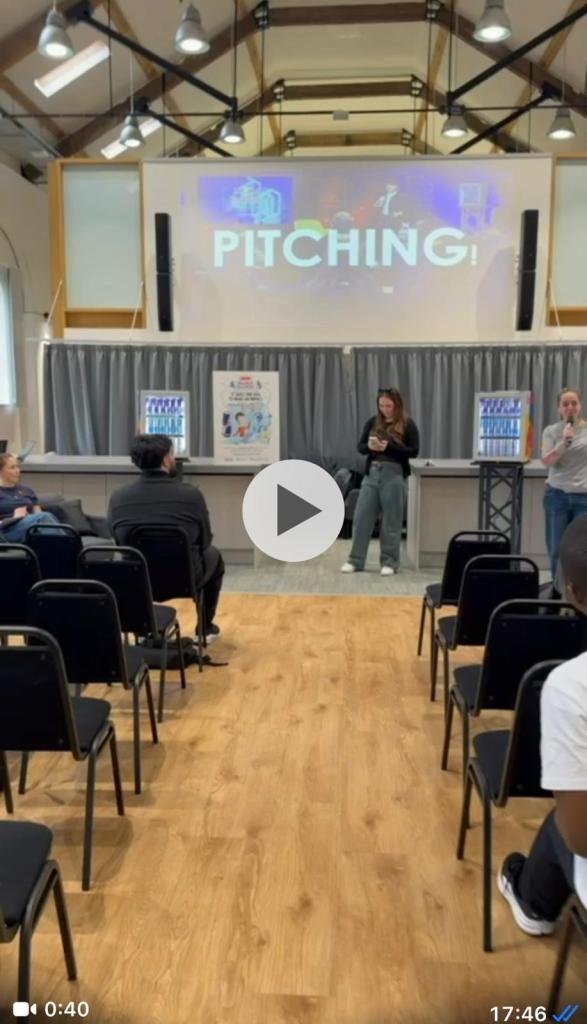
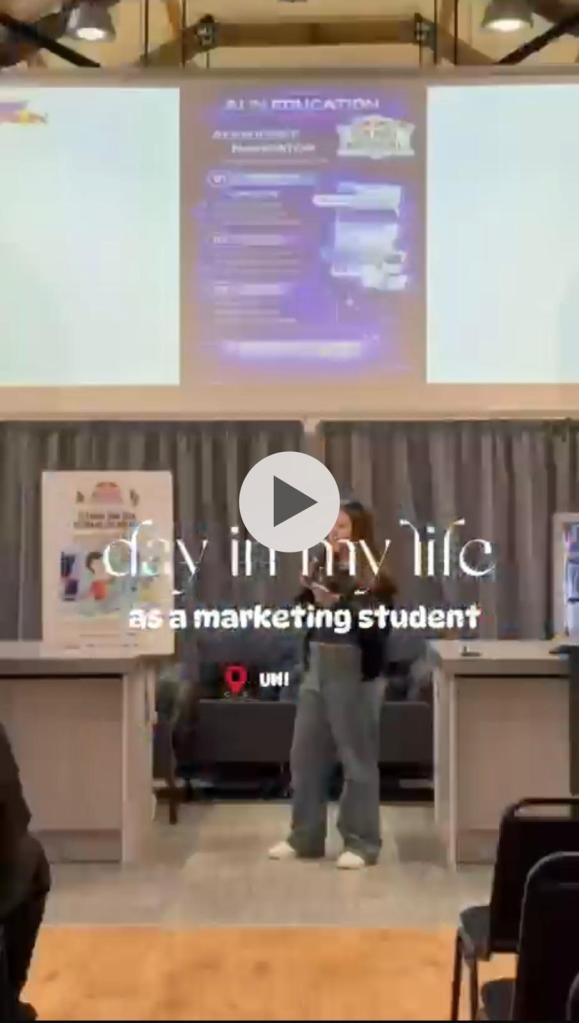
For my third campaign element, I explored how the content produced during the Red Bull university event could be used within a content seeding strategy. My role in producing video assets helped me understand how event footage could be prepared, adapted and strategically shared across digital platforms. Content seeding can be understood as the strategic placement of content within selected networks or communities to encourage visibility, sharing and audience engagement. In the context of the Red Bull event, this means that the footage should not be posted randomly but adapted for the platforms and communities most likely to engage with energetic, student focused and shareable content.
To explain it further, POEM framework can be useful for understanding how brand communication operates across different media channels. For this campaign, owned media could include Red Bull’s social media channels, university pages, the campaign website and the project e-portfolio. Earned media could come from students, participants and ambassadors reposting the TikTok POV video, tagging Red Bull or sharing their own event experiences. Paid media could be used selectively to boost the strongest short form video asset and reach a wider student audience beyond the people who attended the event.
However, successfully transitioning content from owned to earned media requires strong psychological drivers of shareability. This is where emotional appeals become crucial. Research demonstrates that content evoking high arousal emotions, such as excitement, awe, or thrill, which perfectly align with Red Bull’s brand identity, is significantly more likely to be shared organically across digital networks (Berger, 2024).
To successfully seed content on platforms like TikTok or Instagram Reels, the use of a powerful “hook” within the first three seconds is mandatory. A strong visual or auditory hook interrupts the user’s scrolling behaviour, instantly establishes the emotional appeal, and dramatically increases viewer retention rates, which algorithms then reward with wider organic distribution (Barta et al., 2025).
Rietveld et al. (2020) found that emotional appeals in visual brand content can influence customer engagement on Instagram, particularly likes and comments. This is relevant because the Red Bull event content should not only communicate information, but also create feelings of excitement, fun, belonging and energy. Footage of the Red Bull car, branded props, student interactions, product close ups and movement through the event space could work as emotional triggers. These elements would help position the event as something students wanted to be part of, remember and share. Short form video platforms are highly competitive, so the first few seconds need a strong hook to stop the viewer from scrolling (Smith and Lee, 2025).
UGC style content would also support the seeding strategy. Burhan et al. (2024) suggest that firm generated and user generated content on TikTok can influence brand trust, engagement and loyalty. Similarly, Ntousi et al. (2025) discuss directed consumer generated content as a way of combining authenticity with campaign objectives. In this campaign, the TikTok POV video and mobile footage could feel natural and student led while still supporting Red Bull’s energetic brand identity. A practical seeding plan could include publishing the main TikTok POV video as a post event recap, sharing shorter clips as Instagram Reels and Stories, using screenshots of the Red Bull car and props as visual teasers, and encouraging students to tag the brand or university.
 MKT2050 Managing the communication process