Normal camera operator
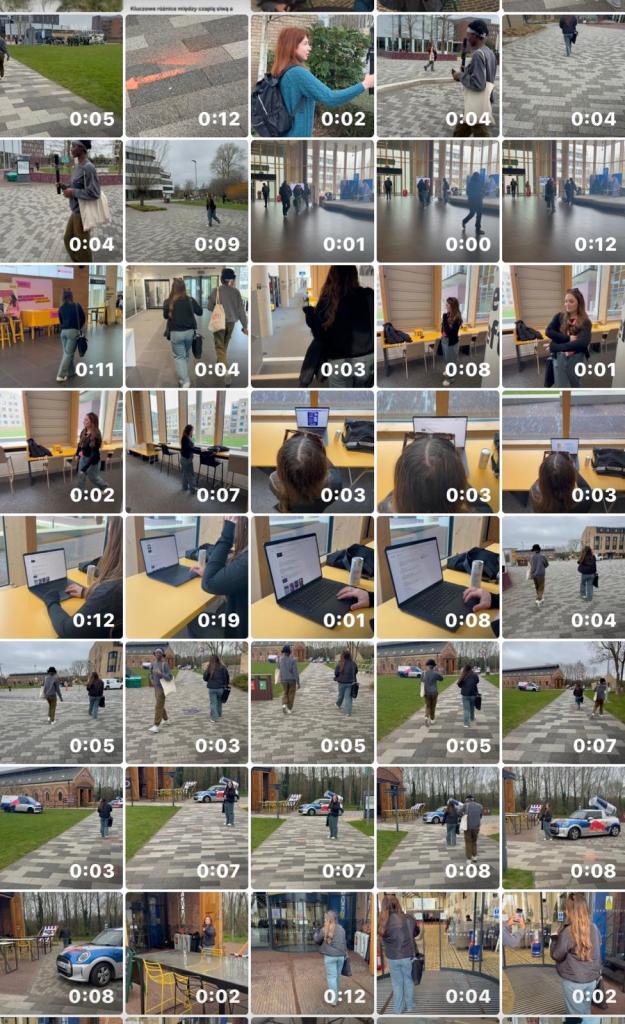
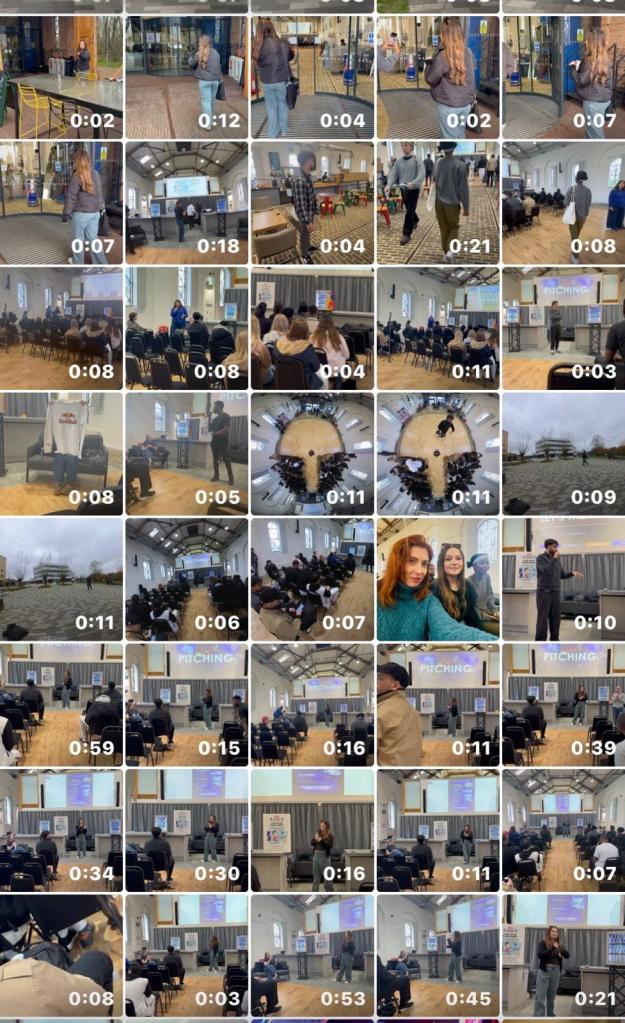
For my second campaign element, I also took on the role of Camera Operator, capturing extensive smartphone footage at the live university event. This material was later going to be edited into a TikTok POV video designed in the UGC (user generated content) style. Recent research indicates that UGC is perceived by Gen Z consumers as significantly more authentic, relatable, and trustworthy, which helps to foster stronger para social relationships between the consumer and the brand (Müller and Christandl, 2023). The contemporary digital marketing landscape has fundamentally shifted content consumption toward short form, vertical video (9:16 aspect ratio). Therefore, choosing a phone over a professional camera was a deliberate creative decision, not a fallback, driven by the platform, the audience and Red Bull’s authenticity led brand positioning.
Smartphone filmmaking has matured into a recognised production discipline rather than an amateur compromise. It enables a more agile, intimate and immediate form of storytelling than conventional crews can match, and that its lower production threshold is a feature, not a limitation, when audiences expect immediacy. Working solo with a phone let me move freely through the event, capture spontaneous moments without interrupting the action.
TikTok rewards content that looks native to the platform rather than imported from broadcast. Flecha Ortiz et al. (2023), in a paper memorably titled Don’t make ads, make TikTok’s, argue that brands targeting Gen Z must adopt the platform’s native creative language rather than impose broadcast style commercial production. Heyder and Hillebrandt (2023) show that viral vertical ads share specific traits, short duration, action driven framing, native audio, that work with the format rather than against it. Point of view capture intensifies this further, a first person perspective places the viewer inside the event, generating a sense of being there that mirrors immersive video but in everyday vernacular. I framed each clip vertically, kept the phone close to body level, and allowed small camera movements to stay in the shot to preserve a handheld, lived in feel.
Audrezet, de Kerviler and Guidry Moulard (2020) show that authenticity is the central currency of social media content, the more constructed a brand asset looks, the more sceptical audiences become. Walsh et al. (2024) confirm this empirically for TikTok specifically, sponsored content perceived as inauthentic reduces consumer engagement, particularly when the creator is highly visible. For Red Bull, a brand built on live action and real moments, a phone shot, UGC style POV reads as more credible than a polished spot. The aesthetic itself signals trustworthiness.
The biggest challenge on the day was producing content that felt spontaneous while still meeting the brief’s requirement to feature Red Bull’s physical brand presence, most notably the branded car parked on site. A purely candid POV would have buried the sponsor, an over staged shot would have broken the UGC feel. I worked through this by integrating the available Red Bull assets (cans, the branded car, posters) into the natural flow of action, walking past the car as part of a wider movement, picking up a can mid shot, framing the logo in soft focus rather than as a hero element. This kept the sponsor visibly present without the video reading as an advertisement, a balance the TikTok format specifically rewards.
 MKT2050 Managing the communication process