Immersive Content Creation
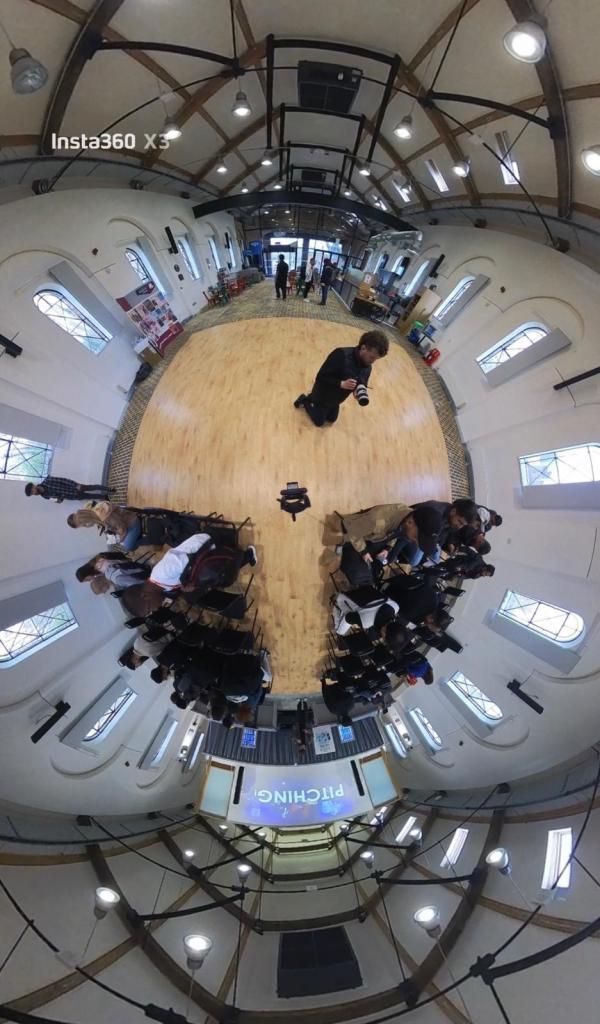
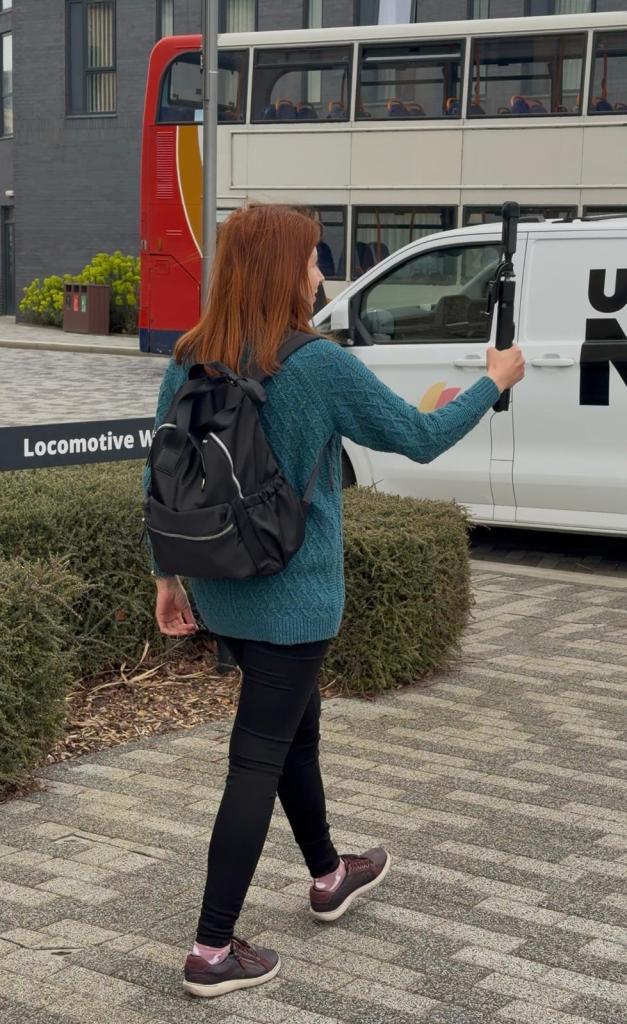
I worked as a content creator during the Red Bull event at the university. My main responsibility was to operate an Insta360 camera and capture 360° footage of the event space, audience interaction and overall atmosphere to capture the high energy, boundary pushing ethos inherent to the Red Bull brand. Lee (2025) explains the importance of immersive experiences and how they are shaped by physical presence, social presence, self-presence and involvement. This means that when filming 360° content, the creator must think spatially, considering not only the main subject but also the full environment around the camera. During the Red Bull event, this influenced how I approached camera positioning, movement, background activity and audience participation. This role required a strategic pivot from traditional, fixed frame videography toward creating content for VR environments, allowing our team to deliver a highly interactive and engaging digital asset for the client.
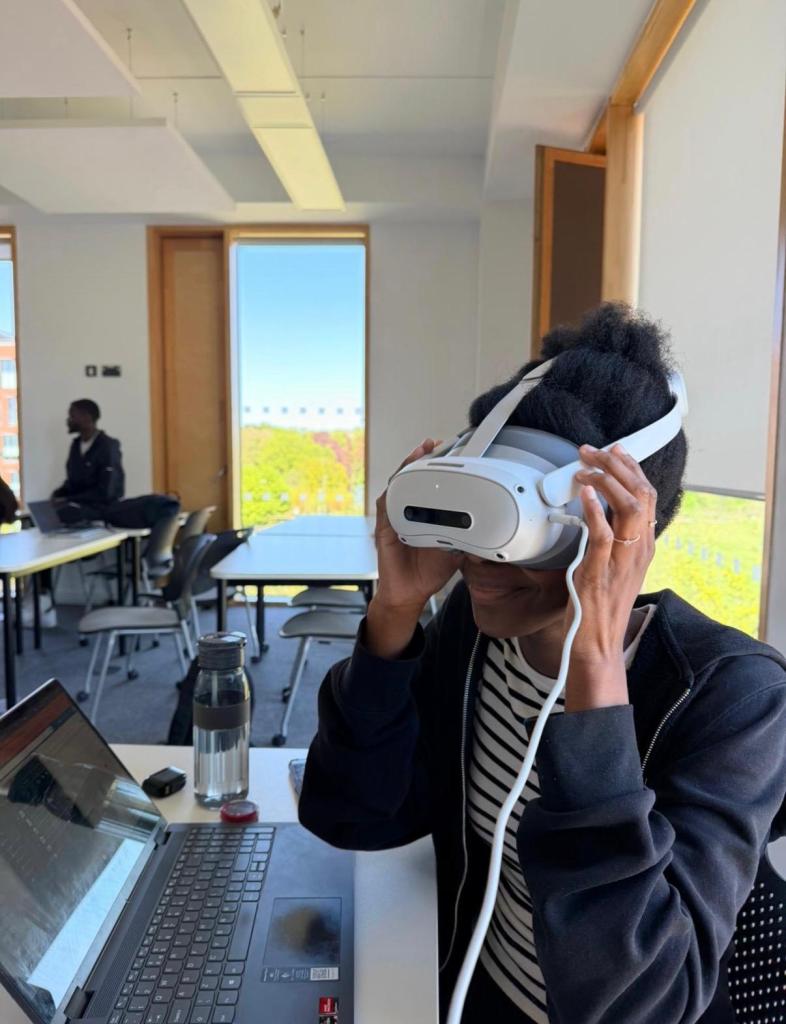
The role of a content creator has become increasingly important within digital marketing because creators contribute to the production of content that connects brands, platforms and audiences. Zhang and Zhang (2024) argue that content creation on social media platforms involves value creation between brands, content creators and platforms. In this context, my role was not simply to record visual materials, but to produce footage that could later be edited, shared and repurposed as part of the wider campaign communication. Butcher and Sung (2024) show that 360° brand videos can support brand engagement through presence, creativity and device experience. Similarly, Balaban et al. (2025) found that 360° influencer advertising viewed through VR can increase influencer credibility, brand attitude and engagement intentions. These findings suggest that immersive content is becoming relevant for marketing campaigns because it can make audiences feel closer to the event, brand or creator. The current digital media landscape is undergoing a significant transformation, with the industry moving towards immersive storytelling, virtual environments, and AI assisted content creation (Davis, 2026). For a dynamic brand like Red Bull, immersive storytelling is a highly effective tool to foster brand interactivity and emotional resonance within these new digital spaces. Advanced machine learning models are increasingly utilised in post production, using AI to generate immersive visuals that can enhance physical footage, seamlessly repair visual artifacts and dynamically adapt environments to increase realism for the end user (Chen and Smith, 2025).
Applying these concepts during the live Red Bull event required rigorous live problem solving. A critical technical requirement was understanding 360 imagery and stitching, because Insta360 camera captures a full spherical view simultaneously, the overlapping data from its dual lenses must be merged seamlessly to maintain the illusion of reality (Dooley et al., 2022). The final image depends on combining different lens views into one seamless spherical image. Therefore, I had to be aware of where people, objects and movement appeared around the camera, as poor positioning could create visual distortion or reduce the immersive quality of the footage. This technical awareness helped me treat the camera as a tool for spatial storytelling rather than just event documentation. By coordinating closely with my team, I ensured we captured the authentic energy of the event while maintaining the rigorous technical standards required for modern virtual environments.
 MKT2050 Managing the communication process