Background
Learning through direct, practical experience followed by critical reflection that results in new ideas and altered behaviour is known as experiential learning. It helps students apply academic knowledge in practical settings while developing communication, writing, and analytical skills. Students can profit in the long run from experiential learning. It helps students acquire useful, transferable skills like communication, critical thinking, and confidence in addition to improving academic and professional achievements (Bradberry and De Maio, 2019).
While user generated content (UGC) enables customers to share genuine experiences that improve engagement, trust, and brand awareness, traditional advertising depends on one way, brand controlled communication. User generated content has been shown to strengthen consumer loyalty by fostering emotional engagement and community, drawing on social cognitive theory and self-determination theory. According to the results, UGC boosts perceived relatability, buying intention, and brand trust (Niu, 2025).
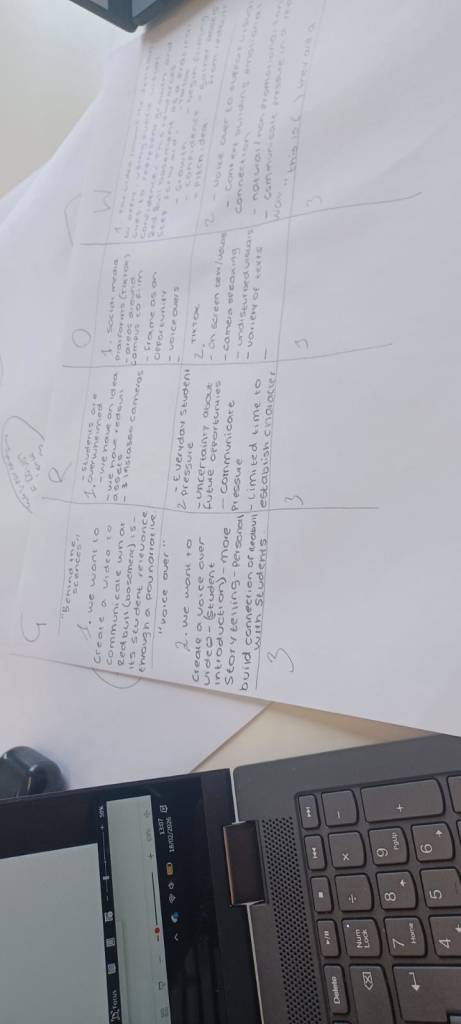
Making sensible decisions while developing a marketing campaign that is appropriate to the Red Bull Basement customer brief can be made possible by using relevant company information. According to the campaign’s objectives, target audience are current UK students on various campuses, with a focus on tech and creative faculties where entrepreneurial interest is typically higher. University students between 18 and 25 year old who are curious, creative, and interested in innovation and campus culture. The advertisement strategy will include between 15 and 60 second UGC style videos on TikTok, Instagram Reels or YouTube Shorts, since industry data indicates that Gen Z spends a significant amount of time consuming short form video on these platforms and engages more with genuine, peer led content than with traditional advertising (He, 2025).
The campaign message will emphasise the chance to develop and launch ideas rather than the energy drink itself because Red Bull Basement provides students with tangible value in the form of mentorship, AI tools, and equity free funding of up to $100,000. Additionally, Red Bull’s broader marketing philosophy focuses on empowering young people through experiences rather than direct product promotion (Kumar, 2026).
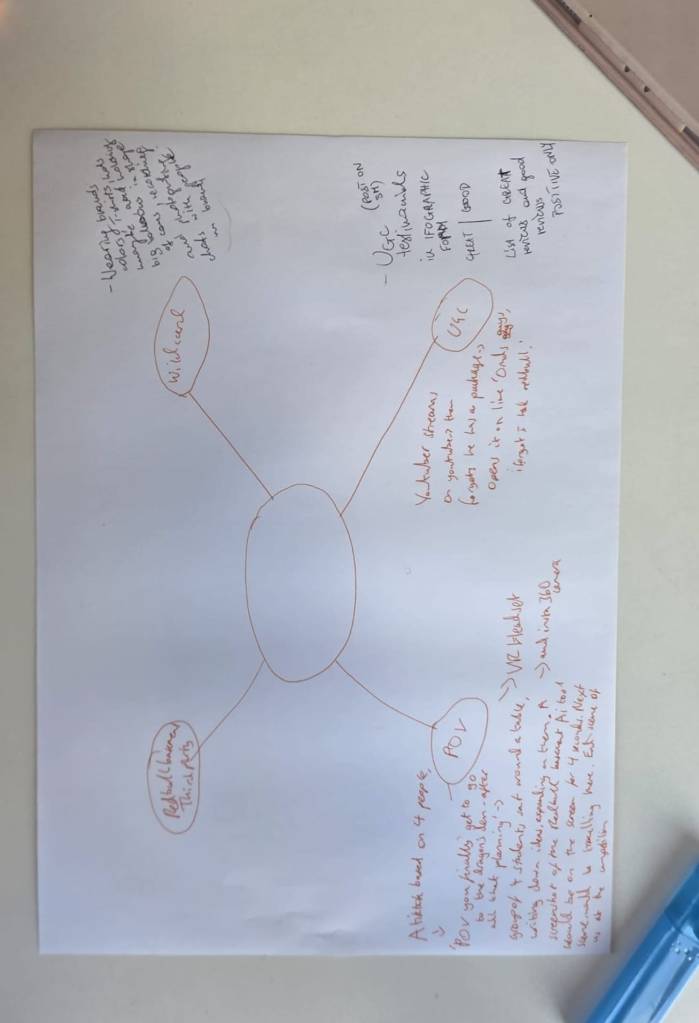
In line with data from 2026 showing that user generated content is more reliable and frequently performs better than brand produced advertisements, the creative approach will employ Insta360 cameras, point of view filming, and loosely structured scenarios to preserve authenticity while still conveying to students what Red Bull Basement is and feels like. When compared to traditional 2D video, using 360° cameras, such as Insta360, can improve marketing material by producing incredibly immersive, “being there” experiences that boost emotional impact and viewer engagement, particularly for events and point-of-view storytelling. According to research on 360-degree brand films, this format promotes longer viewing and active exploration, which helps companies stand out in congested short-form feeds and more effectively showcase environments and atmospheres. Simultaneously, 360° footage is effective because it can be reframed into various angles and aspect ratios for YouTube Shorts, Instagram Reels, and TikTok from a single capture, and the cameras’ creator friendly design supports authentic user generated content (UGC) that marketers can repurpose(Li, 2023). The selected concept will take the “application journey” approach from the brief, demonstrating a relatable student learning about the program, choosing to apply, and envisioning the impact of their idea.
 MKT2050 Managing the communication process